Grand Theft Space: Setback Lines
-Fauzan
How Jakarta’s building setbacks became the invisible blueprint for urban exclusion, and why the streets feel dead because of it.
I used to wonder why some streets in Jakarta felt alive, and others felt dead.
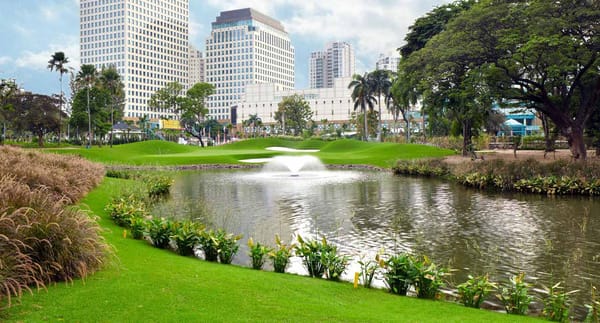
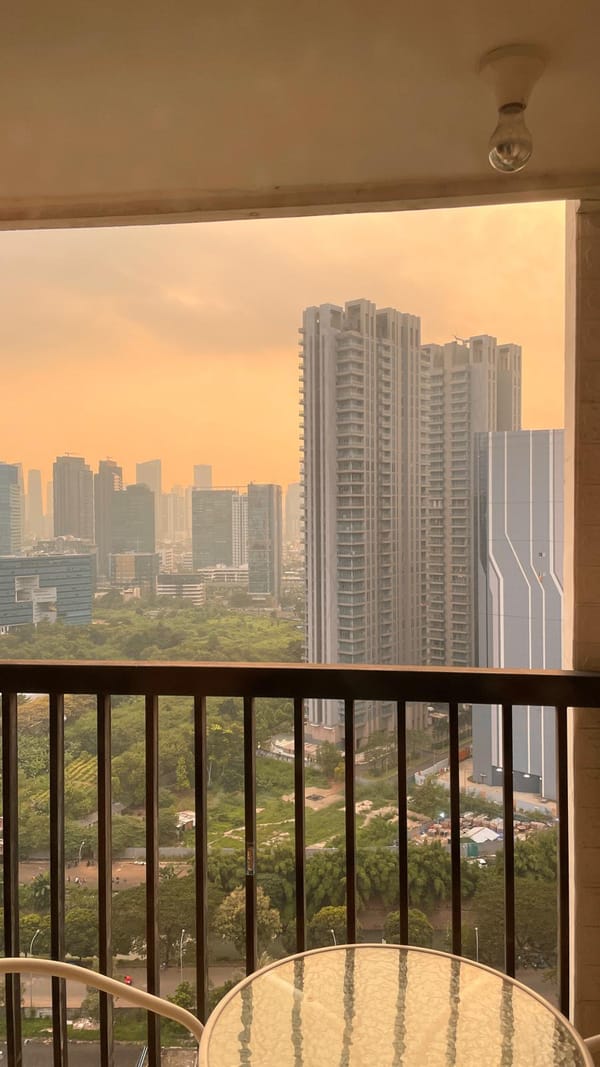
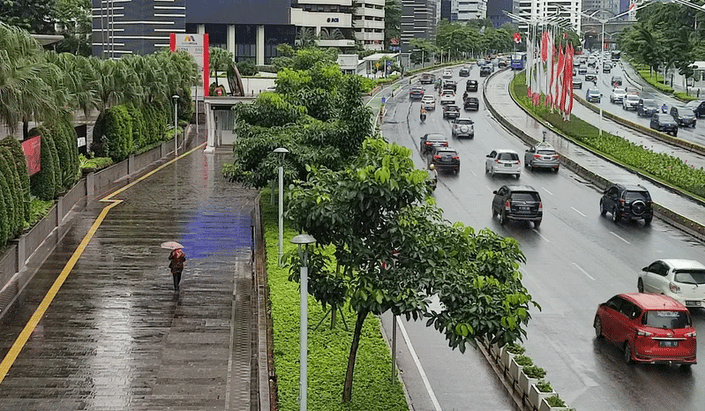
Blok M felt like it belonged to the people. It was messy, walkable, intense. I could grab coffee, run errands, or just wander without a plan. And then there’s Sudirman. Wide roads. Tall buildings. But no life between them. Everything was pushed back, hidden, out of reach unless you had a car.
Studying architecture, I learned the technical name for this difference: GSB. Garis Sempadan Bangunan.
Setback lines. A regulation that tells buildings to step away from the street.
In my first job as a junior architect in Jakarta, I helped design setbacks for projects all over the city. One day, Mas Adhi, one of senior architect in the firm said, half-joking:
“Setback lines literally robbed people of arcades.”
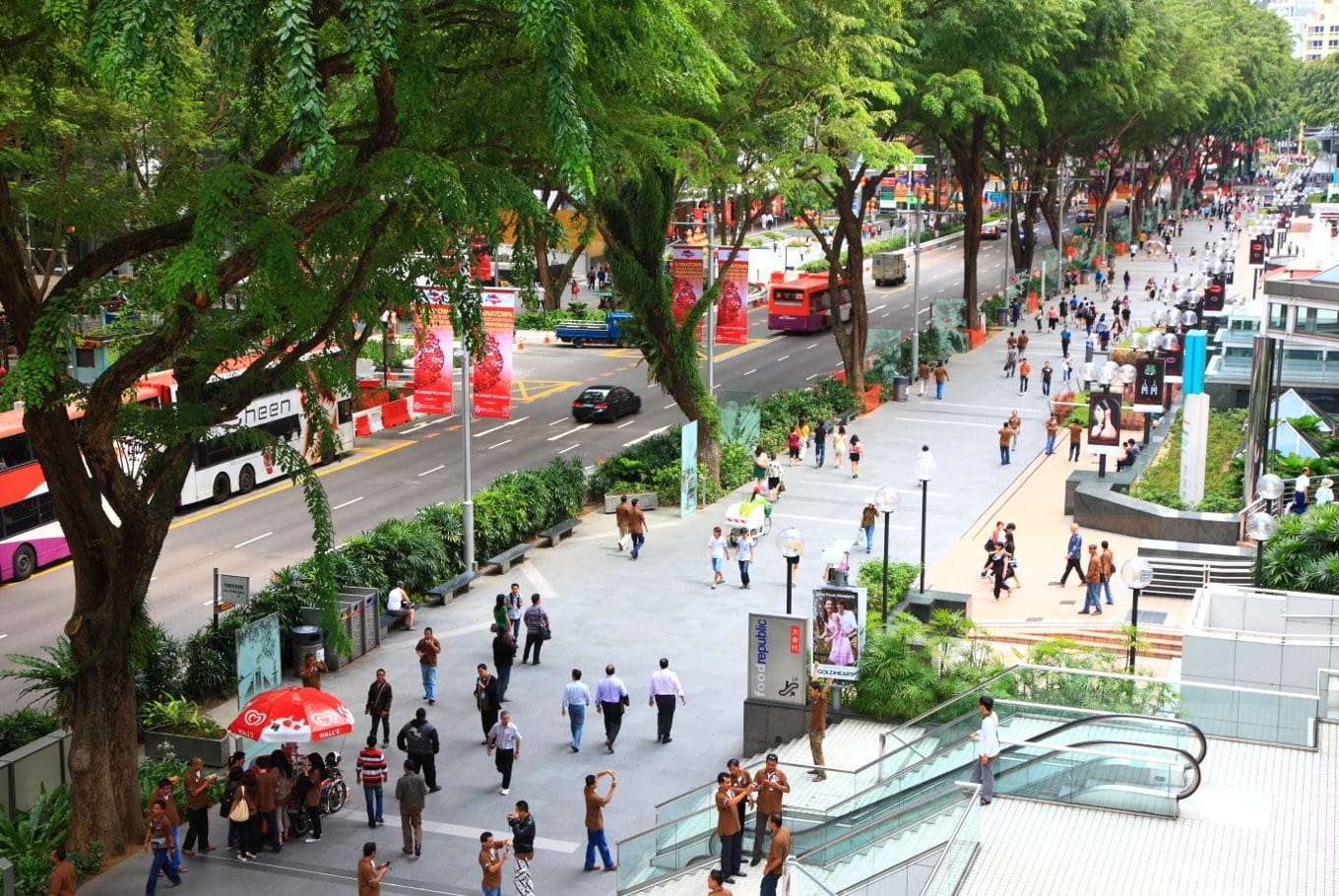
It stuck with me not as a joke tho. And the more I observed, the more I realized:
GSB, like most things in Jakarta, is not neutral.
GSB wasn’t made for people.
It was practically made for cars.
Not even all motorized vehicles, really, motorbikes still have to navigate a maze just to find parking in most buildings.
Planners will say GSB is for safety, airflow, aesthetics, etc. All the usual justifications.
But in practice, it acts as a legal shield for car-first development. A rule built on the assumption that, one day, the road might need to expand so your building better not get in the way. It’s not about protecting life tather about making room for traffic, and their credit-lender overlords.
For decades, that assumption shaped how we built the city.
The result? Jakarta grew up believing that buildings must retreat from the street. That sidewalks were just buffers. That if you wanted to eat, shop, or work, you’d better drive. It wasn’t just a design flaw. It was the norm, enforced by regulation.
And the kicker, GSB doesn’t even do what it claims. The sad thing is it didn’t start this way. When Sudirman was first built in the 1950s, it actually had 3-meter sidewalks on both sides. Wide, shaded, and modern by that era’s standard. But decades of “modernization” narrowed those sidewalks to make space for more cars. Only recently have we begun to undo that damage slowly, and mostly around MRT stations.
If it were truly about flow and safety, the law would’ve required lay-bys & drop-off bays in front of commercial buildings, especially near bus stops. It could’ve used setback space for public benefit.
But that’s not what happened.
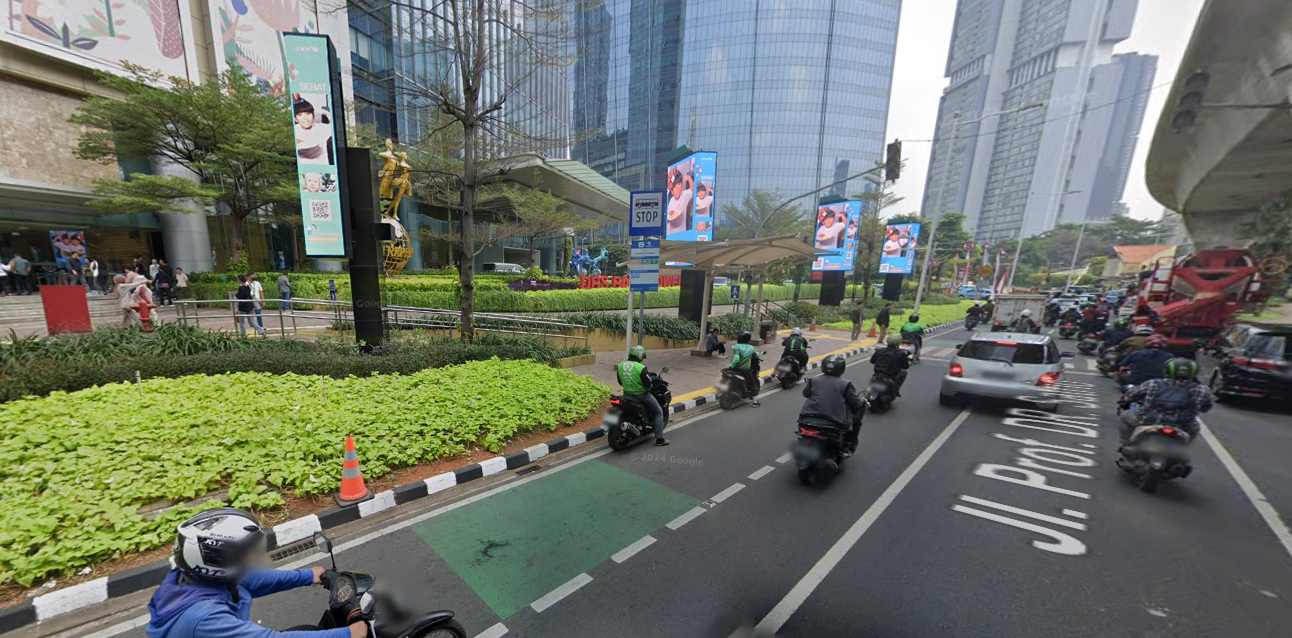
Most buildings along major roads don’t have lay-bys. So we get scenes like Lotte Shopping Avenue in Kuningan where buses, GoCars, and ojol drivers stop in-lane, clogging traffic all day.
And what do developers do with their precious setback space?
- Private drop-offs direct to the lobby
- Premium valet zones
- Circulation ramps and car loops
The building profits. The street suffers.
This is how private development gets away with freeloading on public systems all under the name of compliance.
Meanwhile, we try to fix things with bandaids:
Pop-up sidewalks. Weekend closures. “Car-free days.”
CSR events “Healthy Weekend with Pocari Sweat.”
We can’t fix decades of regulatory failure with capitalist-backed street fairs.
Even worse, people resist the fixes. We’ve lived under car-centered logic for so long, we’ve started to defend it. We say: “Traffic is getting worse and worse!”,
“They should just widen the roads!”, "Business goes bankrupt without car access!", we even commit 25 years of our lives to a crippling mortgage just to buy a tiny house an hour outside the city because it has “10 minutes access to the toll.”
We forget:
The city should belong to those who live in it not just those who drive through it.
We’re running out of space, and out of time.
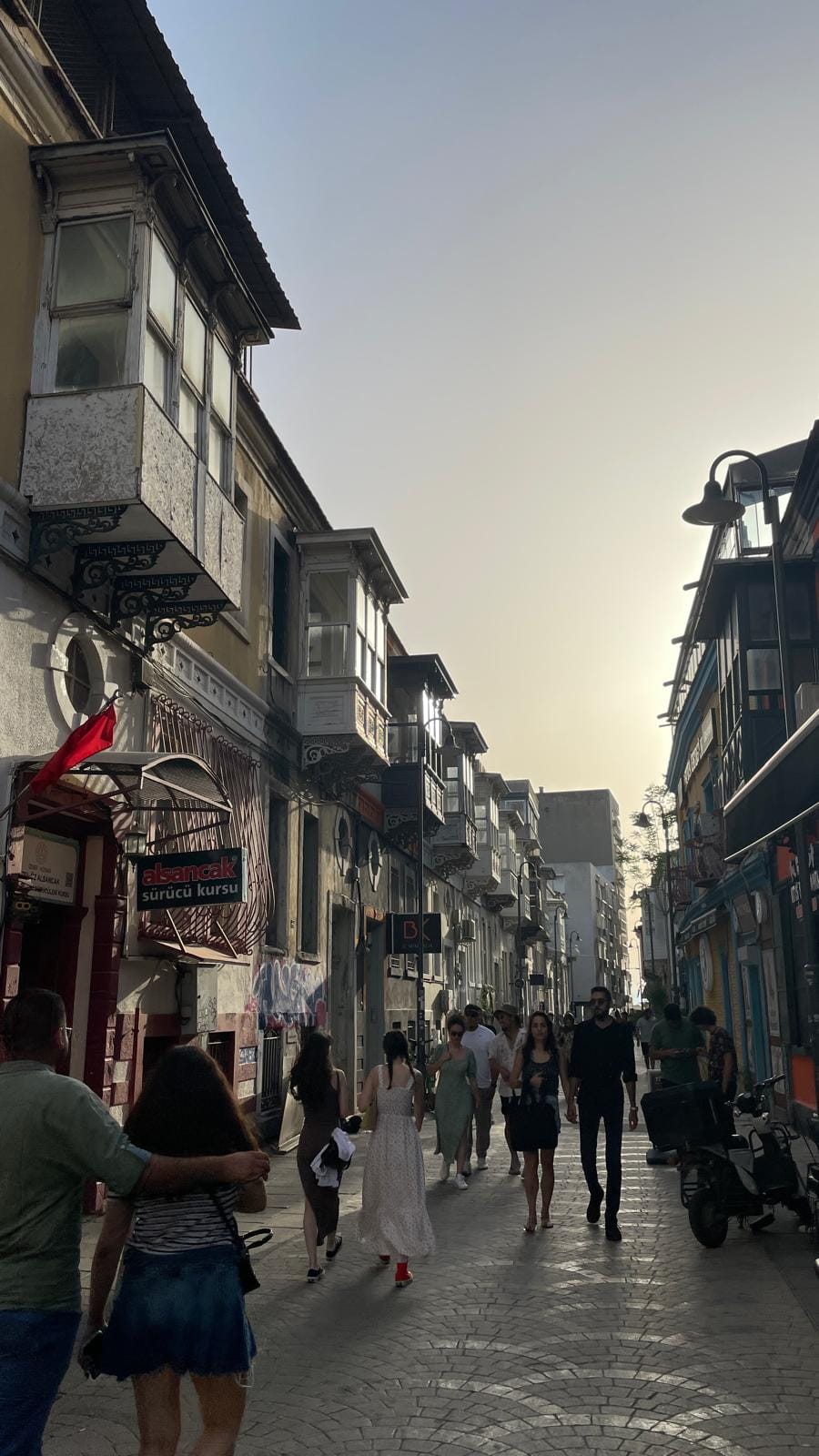
The cities we admire from Barcelona, Tokyo, to New York didn’t become walkable by accident. They were built before car dominance took hold and they resisted it. Jakarta still has a choice. Even Amsterdam once worshipped cars.
But its people fought back. They gave the streets back to the public.
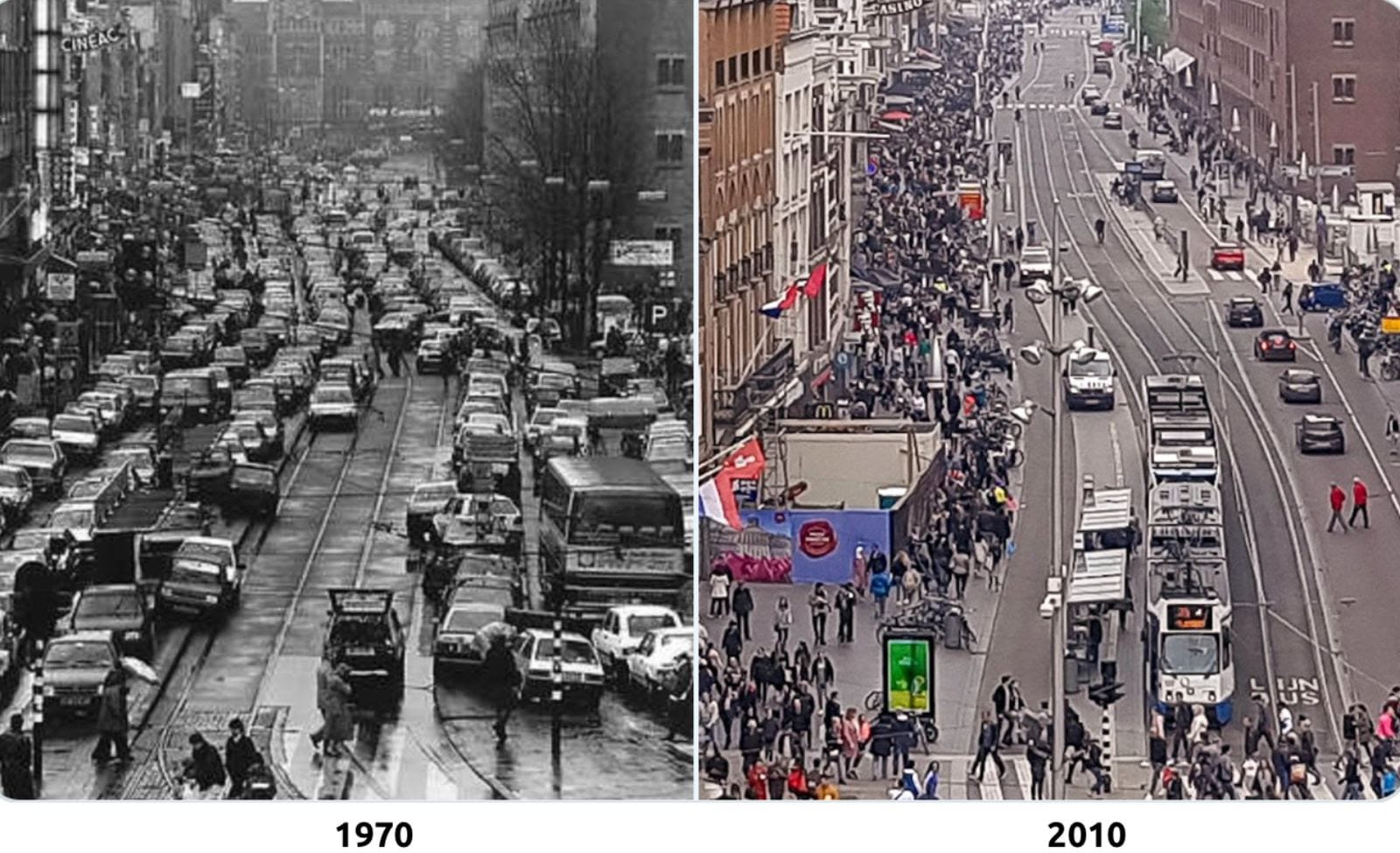
Is it ironic to follow the ex-colonizer’s example? Or is it more ironic that our gengsi for car ownership is poisoning our kids with carbon monoxide in traffic?
To talk about the lack of emissions regulations is another essay by itself, but for now, let’s stop pretending GSB is just a harmless line on a map.
It has always been a tool of exclusion.
It tells us where we’re allowed to be.
What we’re allowed to access.
And what little space we have left in a city of cars and narrow sidewalks.
Jakarta doesn’t need more roads.
It needs its streets back.
And for those who think owning a car is the solution to “beat the system”,
Check your annual tax slip.
Then look across the Pacific. Because car owners in L.A. pay half of that, proportionally.
Sources:
Peraturan Daerah DKI Jakarta No. 1 Tahun 2024 – Pajak Kendaraan Bermotor (PKB) dan struktur progresif (2–6%)
https://peraturan.bpk.go.id/Details/297373/perda-prov-dki-jakarta-no-1-tahun-2024
California DMV – Vehicle Registration Fee Calculator & VLF Details
https://www.dmv.ca.gov/portal/vehicle-registration/registration-fees/
Peraturan Gubernur DKI Jakarta No. 20 Tahun 2024 – KDB, KLB, GSB, dan Zona TOD
https://jdih.jakarta.go.id/uploads/default/produkhukum/PERGUB_NO_20_TAHUN_2024.pdf
99.co Indonesia – Penjelasan Garis Sempadan Bangunan
https://www.99.co/id/panduan/garis-sempadan-bangunan-adalah/
NOW! Jakarta – Interview with Hari Nugroho (Bina Marga Head), 2019
"For Better Sidewalks,"
https://www.nowjakarta.co.id/for-better-sidewalks/
Detik News – Ideal Lebar Trotoar Jakarta 4.5 sampai 6 Meter
https://news.detik.com/berita/d-4674081/kepala-dinas-binamarga-dki-trotoar-ideal-lebar-45-6-meter
Jakarta Transport Department – Data Panjang Trotoar & Rencana Revitalisasi
https://dishub.jakarta.go.id
Preply/Seasia.co – Asia’s Most and Least Walkable Cities (2024)
https://seasia.co/2024/02/25/the-most-walkable-cities-in-asia
Kompas – Penolakan Penutupan Jalan Tanah Abang
https://megapolitan.kompas.com/read/2018/01/24/penutupan-jalan-tanah-abang-dipersoalkan-polisi
Detik – Polemik Pelebaran Trotoar di Cikini
https://news.detik.com/berita/d-4674081/kepala-dinas-binamarga-dki-trotoar-ideal-lebar-45-6-meter
Historia.id – Asal Usul Pembangunan Blok M dan Kebayoran
https://historia.id/urban/articles/kebayoran-baru-kota-modern-pertama-di-indonesia-D9yXY
Kompas – Sejarah Pembangunan Jalan Sudirman-Thamrin
https://www.kompas.id/baca/metro/2020/02/22/mengenang-jalan-sudirman-thamrin/